

5 Careers that are still considered ‘non-traditional’ for women
- morganacademycc
- Nov 22, 2023
- 3 min read
Samuel Bossman September 1, 2023
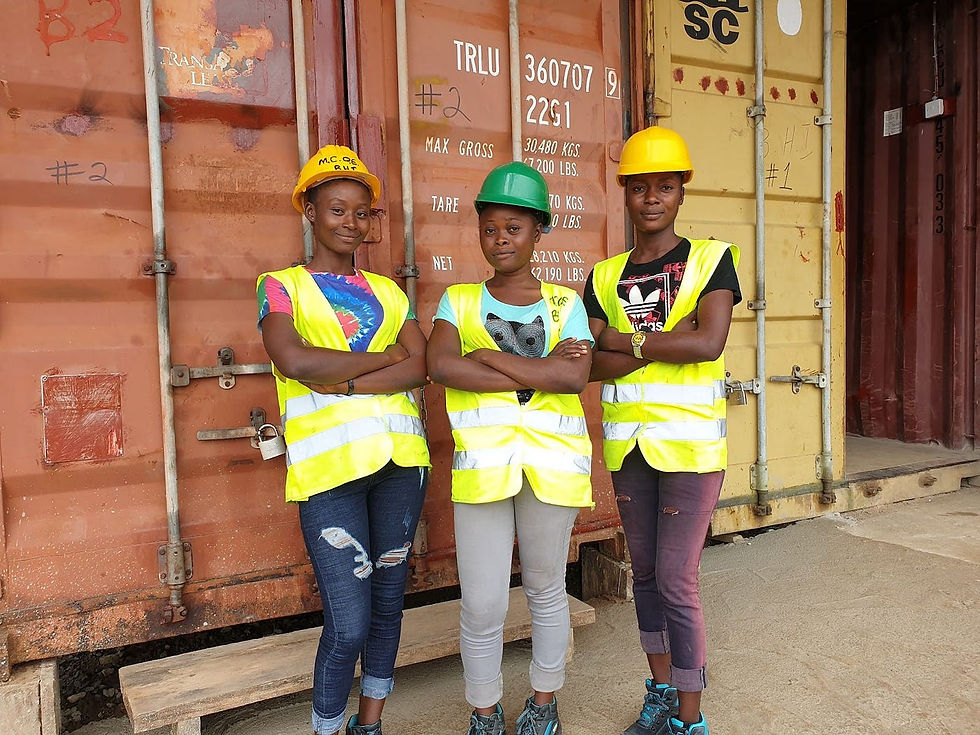
Women can do anything a man can do. Sometimes they even do it better. Still, there are some careers that are considered non-traditional for women. A non-traditional career is when 25% or less of one gender make up the total employment. There are several barriers that contributed to this deficit for in women in these fields, such as perception, lack of access to role models, fair treatment and sexism. Yet these "non-traditional jobs" often pay 20 to 30 percent more than the traditional domestic careers such as hairdresser, seamstress/fashion designer, or cook/culinary artist. This along with passion for the work and new challenges are reasons why certain inspiring women have flocked to these non-traditional jobs.

1. Electrician
Ghana needs more electricians to install renewable energy, repairing streetlights, climbing electric poles bringing lights to the darkest rural areas of Ghana. Women can fill the gaps in the workforce shrinking it 14% by 2030. Schools in the Eastern Region such as Anum Presbyterian NVTI offer 3-year electrician courses. Takoradi Vocational Training Institute in Takoradi, and Acra Polytechnic in Accra. With numerous required externships in the community, women graduate well prepared to enter the workforce.

2. Mason/Tiler
Less than 1 percent of masons in Ghana are women. While the long hours discourage some women from joining the field, working as a mason offers many opportunities, including brick making, laying tile, and freedom to work your way. Masons earn far more than the typical domestic career. Most NVTI vocational institutions offer masonry as a course. Asuogyaman Technical Institute, a career training program for women in Atimpoku, offers an accredited 3-month course in masonry and tiling.

3. Building Construction
The demand for skilled labor provides women opportunities for careers in the building construction industry. Ghana is still developing itself. Constructing buildings such as houses, schools, shops, and story buildings will be ongoing for decades to come. There are many schools ithat offer these courses. Accra Technical in Accra, Don Bosco in Tema, and Anum Presby in the Eastern Region are but a few that will have you well on your way to earning a high salary in 3 years or less.

4. Biodigester Toilet Construction
Ghana has a sanitation problem. Each year, the country loses GHc 420 million due to open defecation. Yet only one third of Ghanaians have access to flush toilets. To eliminate the practice of open defecation, Ghana will need to construct more than 1 million toilets. Biodigester toilets are the most cost effective and require about 2-3 days to build.
A short course in biodigester toilet construction would teach women how to install toilets in their own homes and their community. Asuogyaman Technical Institute in the Eastern Region offers a biodigester toilet construction course just for women.

5. Solar Installer
Clean, renewable energy is what solar power provides. It is a cost effective and relatively easy way to bring electricity to Ghana’s rural communities. Women, who are caring for the home much of the day, are particularly affected by the lack of electricity. Becoming a solar panel installer will help women to light up their own homes and that of their community. What a way to become a superhero. There are a number of training institutions in Ghana that offer training in this in demand career. Asuogyaman Technical School in Atimpoku, GREEN Solar Academy in Takoradi Technical University, Don Bosco Solar Center in Tema, and VRA Academy are a few.
Women are capable contributors to Ghana’s advancement on the world stage. Women should be about the business of nation building through the lucrative skilled trades. Make a phone call today to do your part in moving Ghana forward. After all, women do hold up half the sky.
Greater Accra Accra Girls Vocational Institute Accra, Ghana Phone: (024) 852-2926 Email: info@agivoc.com | Western Region Takoradi Technical Institute Takoradi Rd, Takoradi, Ghana Phone: (055) 393-4214 Non-residential |
Eastern Region Asuogyaman Technical Institute Atimpoku, Ghana Phone: (050) 813-1845 Email: info@asuogyamantech.org Hostel Rooms Available |
Ashanti Region Krobea Asante Technical & Vocational School Effiduase Asokore, Ghana Phone: (024) 402-9845 Email: katvi.edu@gmail.com |
Bono East Region Nkoranza Technical Institute Nkoranza, Nkoranza, Ghana Phone: (024) 146-4912 Email: Opokusarfo0@gmail.com | |
Upper East region Bawku Technical Institute Bawku-Zebilla Rd, Kpalwega, Ghana Phone: (038) 222-2248 | Upper West Region Kikam Technical Institute Bobroma, Ghana Phone: (054) 220-2670 |
Comments